

‘The Bacha’
Joy and survival tangled into each other.🪢

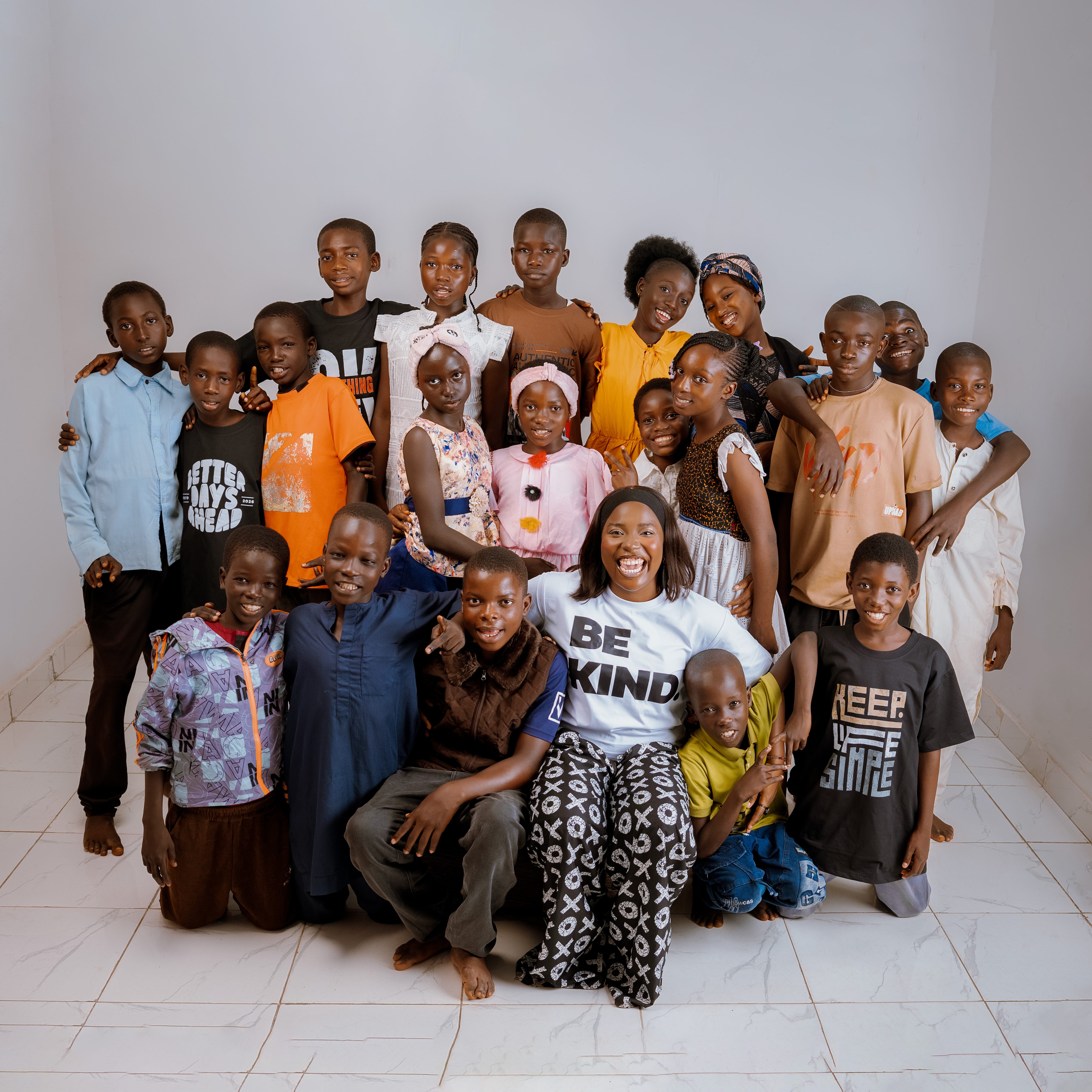
The first time I saw a Bacha was several years ago, as a child traveling to Niger State with my parents. It was in passing. I just saw small houses built with banners. Children running around. Some were crying, some were obviously having fun. I remember still looking behind as our car drove past it in a rush, the way children look at anything they don’t understand yet, wanting one more second of it before it disappears. I didn’t see anything like that again until my service year.
Bacha is what the children themselves call it, the settlements built from banners and tarpaulin and whatever else could be found, home to families displaced by insurgency. I didn’t know the word growing up. I only knew the sight of it from a car window. It has taken this service year, and a classroom full of children, for me to understand what the word actually holds.

I had no expectations going into my service year. Everything was new to me, the city, the people, the scheme. I was basically just trying to get in, survive, and do all the good work I could along the way. It wasn’t pre-planned, but amidst trying to figure out the way forward, I got a place for my primary assignment. A non-governmental organization. I didn’t know the entirety of it until I got in and settled. It is an NGO for the underserved and out-of-school children. I had made up my mind prior that I wasn’t going to teach, but I’ve come to realize that there are times when we’re placed in a particular place for a purpose, a reason.
The first few days were quite eventful. The culture shock of a new environment and the light in the eyes of the kids. I slowly started to engage with them. I asked their names, I gave them hugs, a high five, and what we call “chop knuckle.” Slowly, I remembered their names without having to ask them to repeat it again. Yaya was the first name that stuck, then Abdulwahab Abubakar, I can’t call one without the other, then Sheddie, nickname for Shedrack, Isa Sani, Zainab Garba, Yusuf Samila, Musa Ayuba. I could go on and on, because it went from just names to a sweet melody in my ears.
I made a decision, even before I was asked what I wanted to do in particular. I would teach them. And I have. Nothing else gives me that kind of joy and fulfillment in this place, in this time. It feels like my heart has expanded and is witnessing a kind of love pour out, one I never thought my heart was capable of. All for these kids.
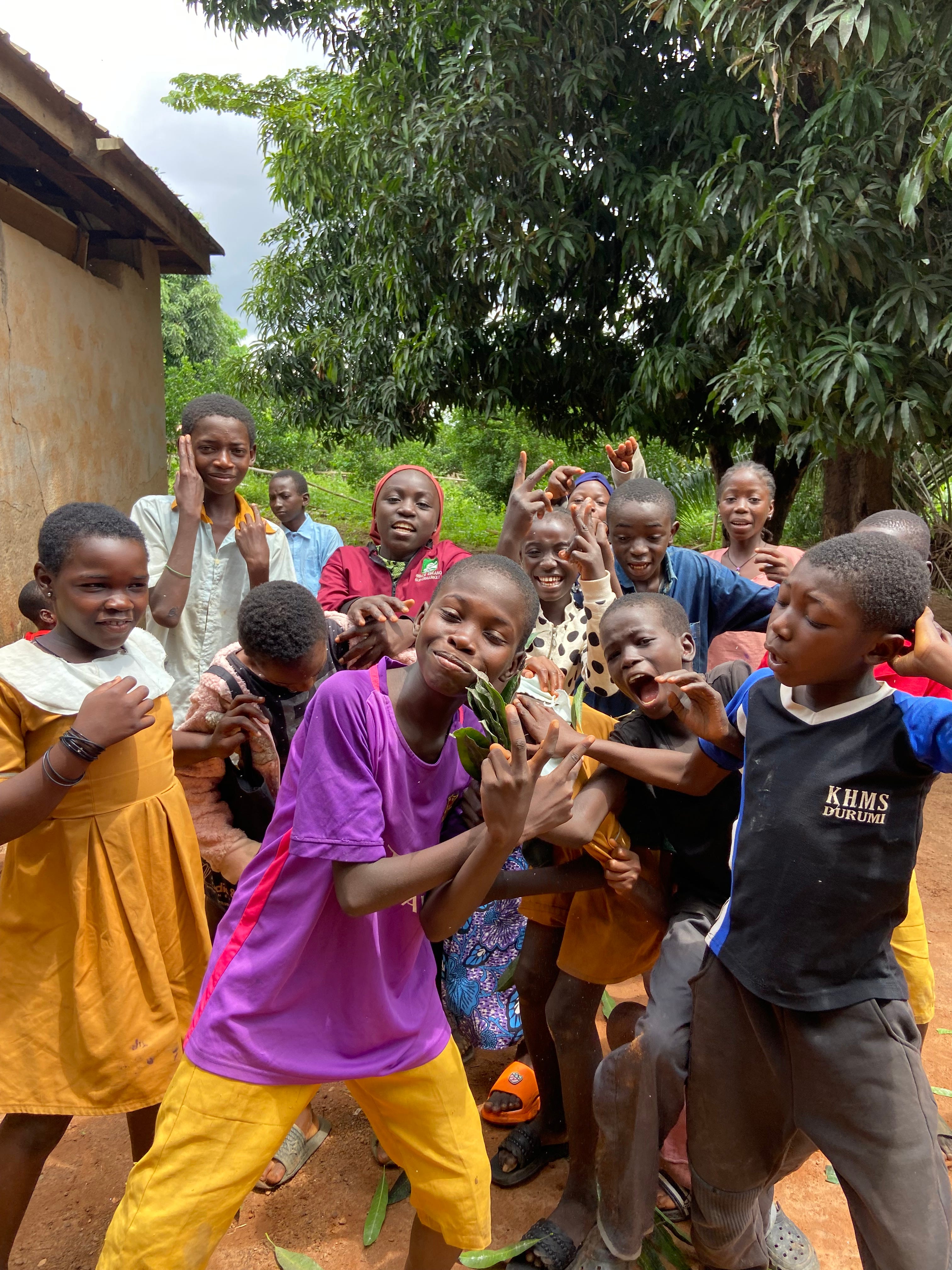
Make no mistake, it isn’t an easy road. Teaching them requires special efforts in ways you can only experience, not be told. It goes beyond just my love for them to a genuine concern to see them learn, read, write, speak up for themselves. Having gone through a rough road with displacement and fallen greatly behind, it has become my joy to give them a learning experience that wouldn’t make them notice they had missed out on anything.
So I show up for them within the walls of the classroom and outside those walls. They show up for me too, in ways that only expand my heart the more, in little letters filled with so much love and few misspelt words. In running to greet and hug me every morning. In having casual and deep conversations with me. In asking me, “Aunty, why are you not smiling today?” In dancing with me. In making me laugh. In insisting that I should be the one to teach them. In introducing me to their parents, “this is my teacher.” In every way possible.
In their excitement, I keep finding reasons to keep showing up for them. How could they have gone through the worst and still be that happy? Children who ran from their homes with their parents because of insurgencies. Musa told me the story of how they spent several days in the bush. Mubarak told me how he hid under rocks for safety. They went through all of that, and I get to be their teacher during this season of my life? What a blessing. What a delicate experience.
I have learned, watching them, that displacement does not form a child. Insurgency does not form a child. Running through a bush at night, hiding under rocks, sleeping in a place with a name that sounds like a temporary word because it is meant to be temporary, none of it writes itself permanently into who they become. What forms them is what happens after. Whether the adults around them, whether the world around them, chooses to keep pouring fear into the space where the fear already lives, or chooses to pour something else in. Laughter. Attention. A name remembered. A hug in the morning. It doesn’t erase what happened to them. But it teaches them that what happened to them is not the only thing that gets to happen to them.
That’s why I’m rarely moved when people feel that I’m wasting my time hanging out with the children and playing with them. They don’t know how special those moments are and what they do to the kids, and gosh, to me.
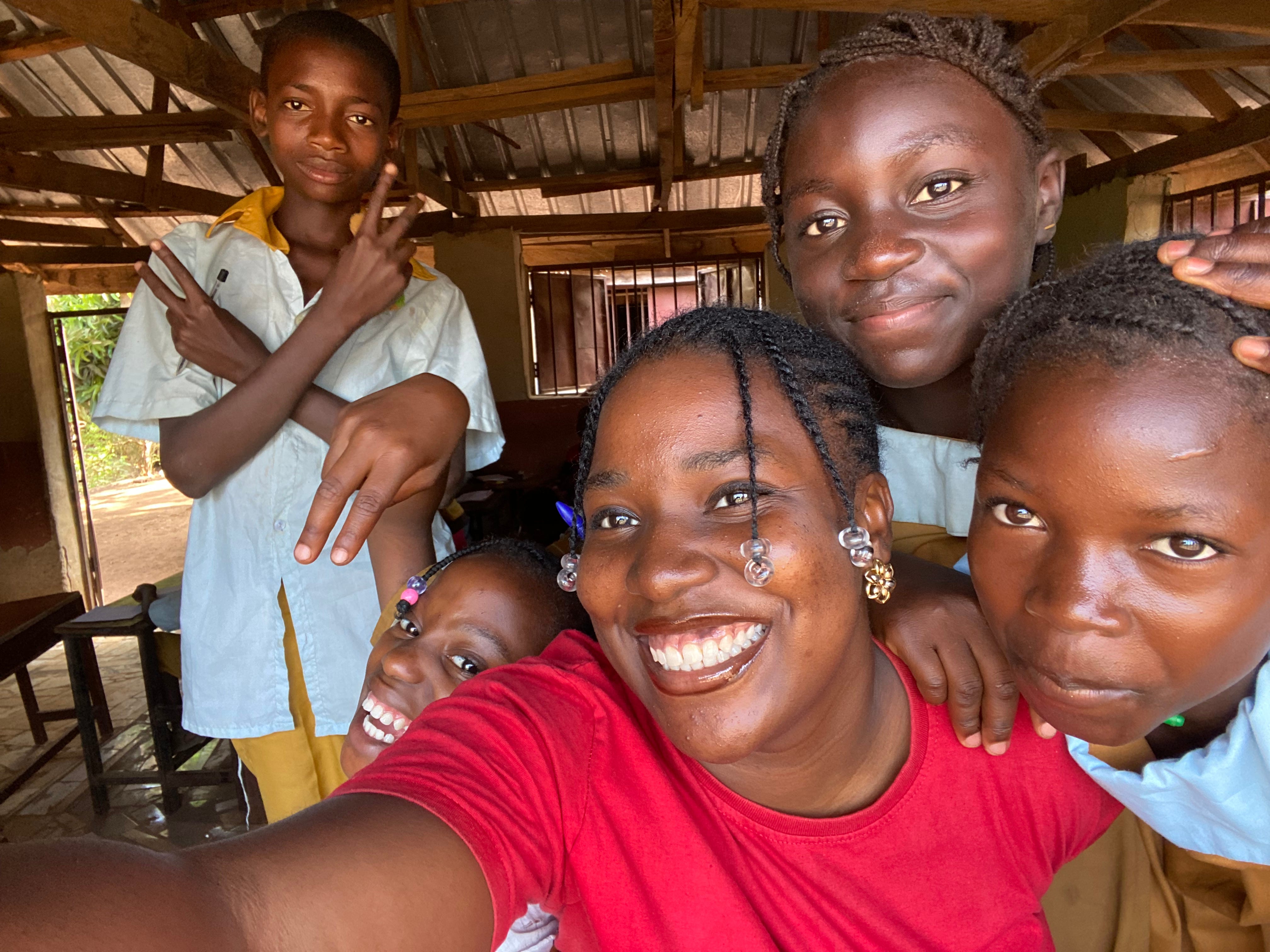
I keep showing up for them in the classroom, day after day, and I used to think that was where the relationship lived. I taught them how to sound out a word, how to raise a hand before speaking. What I didn’t expect was the day they would be the ones to lead me somewhere. The day I let them take me past the classroom, past the school gate, into the place they actually called home. That day didn’t start with any of that in mind. It started, of all things, with a craving for masa.
I had been craving masa for a long time. The last time I ate it was when I was in a different part of the city, where I could easily access it. I had voiced the cravings to my colleagues one of the days, and they didn’t know how to help me, of course. Where would they get masa from? Me sef reason am.
After class one day, I told my students I’d been looking for where to get masa. I mean, they should have been my first go to, because they know the area very well. Not just because they know the area, but because they might actually be the ones selling it.
I know most of them have other things they do after school. I’ve eaten Zainab’s awara. Abraham sells ponmo and fufu with his mother. Favour does chin chin and Sele makes scrunchies — I’ve been gifted a green scrunchie.
So I knew without doubt that they would know how to help me with my masa cravings.
“Aunty I sabi where dem dey sell with suya.”
“With suya? Oh perfect. You’ll take me in the evening abeg. Come and carry me by 5.”
School dismissed, they went home. They had three hours before our appointment time. I waited in the office. Around 4pm ish, the weather changed and rain started falling. I was just earnestly praying that they should not enter the rain, because that was something they could do. Thankfully, they didn’t come again.
The next morning, they came to meet me in the office.
“Aunty, sorry say we no come. Rain dey fall and if we come carry you now and the rain no stop, you no go fit sleep for bacha abeg. Don’t worry, we go go today.”
I was quiet for a while and decided to form one. “Why I no go fit sleep for there?”
“Omo aunty. We we don dey used to am. Mosquitoes, cold, rain, anything fit happen. You no go fit stay for there.”
But they live there. That is their home.
We chatted for a bit and went over our arrangements. Later that day, they came to pick me and the journey began.
I kid you not, nothing prepared me for it. I couldn’t even take out my phone to record or document anything. We walked for a while, passing through Bachas and moving through the narrowest paths, being extra careful not to match poop. I became tired and we still had to cross a river. Everything was happening at once. Children crying. A group of men beating up a thief. Wives cooking over open fires. Young men constructing new Bachas, banner by banner, the same kind I had seen from a car window years before, except now I was standing inside what I used to only glimpse. Children who knew me from school came running to hug me. The children introduced me to their parents.
“See my aunty.”
It was nothing I expected.
Eventually, we walked through all of it, the chaos, the smell, the mud, even though everyone looked at me like I didn’t belong there, and got to the masa spot. Other kids I didn’t know came around and we chatted for a while. I paid for my masa, and began my journey back, literally in silence.
I have thought about that silence a lot since. It wasn’t the silence of having nothing to say. It was the silence of having too much to say and not yet knowing which part of it was mine to carry.
I think about the boy who told me he hid under rocks. I think about the girl who sells awara after school so her family can eat, and still runs to hug me every single morning like the day owes her nothing but joy. I think about how a place can hold a thief being beaten and a mother cooking dinner and a child squealing with delight, all within the same hundred meters, all within the same breath of evening air. I used to think trauma and joy took turns. That a child could either be shaped by what they survived, or be allowed to be a child, but not both at once. The Bacha has taught me otherwise. They exist together there, tangled into each other, the way they do in most of life, except most of us are lucky enough to never have to see it happen so plainly, so close together, in one small stretch of narrow path.
What I know now is that the joy in those children isn’t proof that they weren’t hurt. It’s proof of something else entirely. It’s proof of what happens when a child is met, again and again, by someone who chooses to see them as more than what they survived. A teacher who learns their names. A hug that isn’t owed to them but is given anyway. A green scrunchie pressed into my palm because a nine year old wanted to give her aunty a gift.
Displacement does not form a child. What forms them is what we choose to pour into the space displacement leaves behind. I cannot undo what Musa saw in the bush, or what Mubarak felt hiding under a rock in the dark. But I can show up. I can remember a name. I can let a child insist that I am the one who has to teach them, and I can say yes.
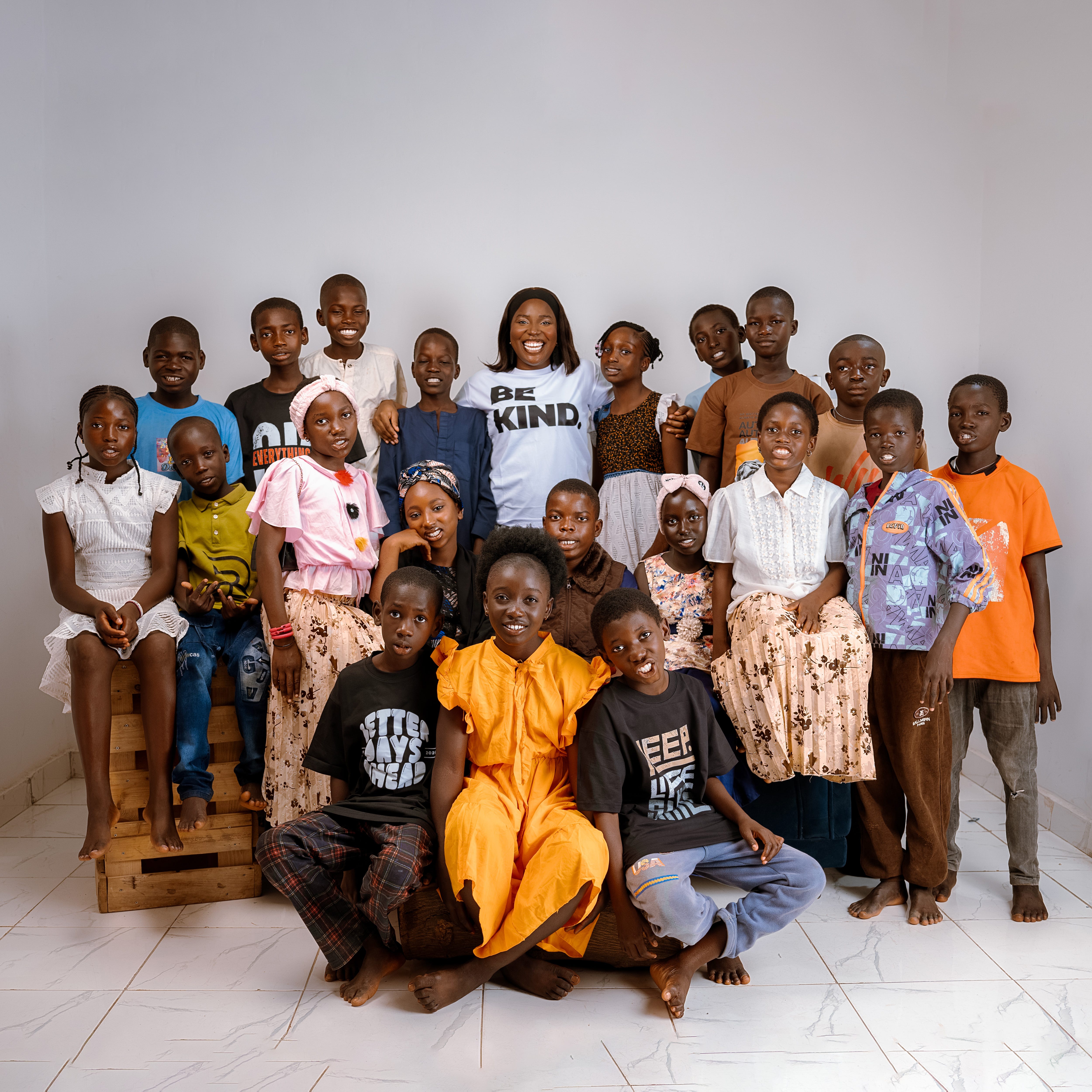


I still have some time left with them. And some evenings, walking home, I think about something I didn’t let myself understand from the car window all those years ago. I used to only ever look back at the Bacha as it disappeared behind me. Now, for the first time, I know what it is to walk toward it every day, and the children are the ones who let me in.
Love as always,
Hosanna Nnaji.🫧♥️
Oh my Godddd
I'm not crying I promise
Ahhhmy heartttt
You're blessed ma
Nations call you blessed already
You have again redefined NYSC 🥹🥹🥹
Where do I even start from?
I am short of words
God bless you